
The Cricket
The Society’s Blog
Edited by Dr. Katie Bell and Dr. Céleste Callen
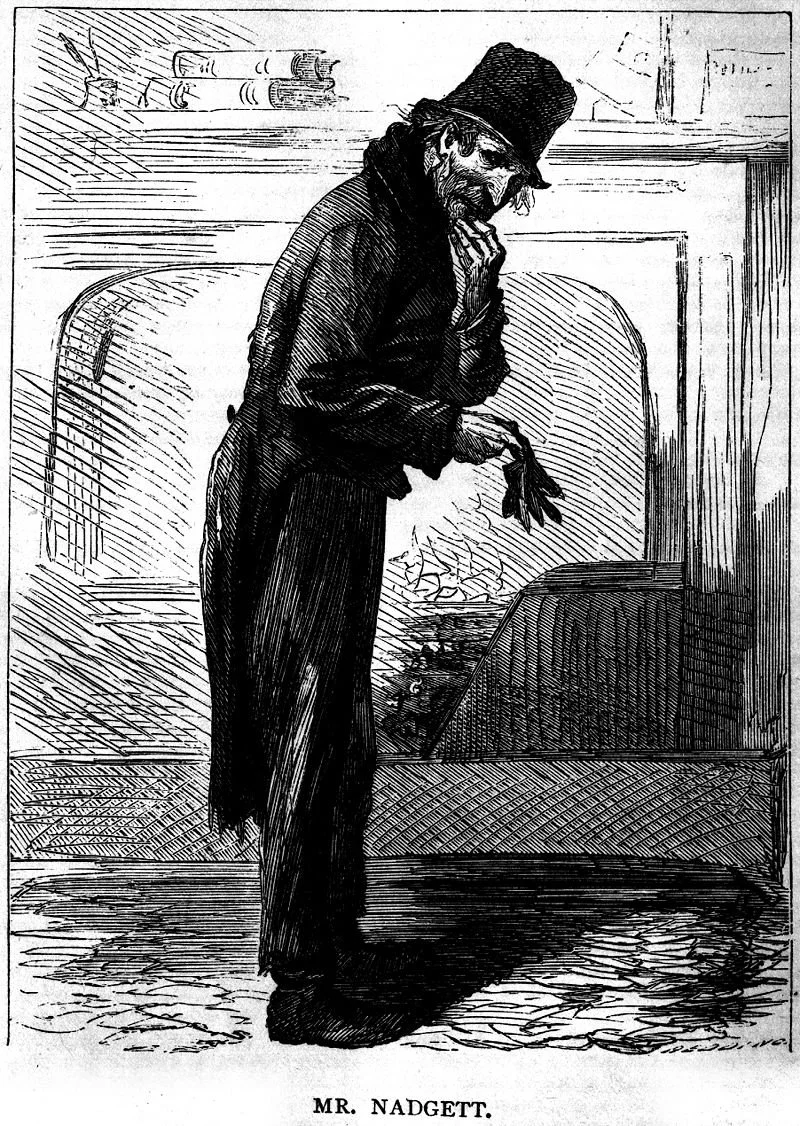
Finding Bleak House in Martin Chuzzlewit
According to Michael Redmond, "…”the early novels do not so much foreshadow the late as fore-gossip of them. In this way gossip itself, however seemingly trivial, gains an unlikely new function: it registers an intermediary phase in his creative process, located somewhere between nonexistence and full detail…”
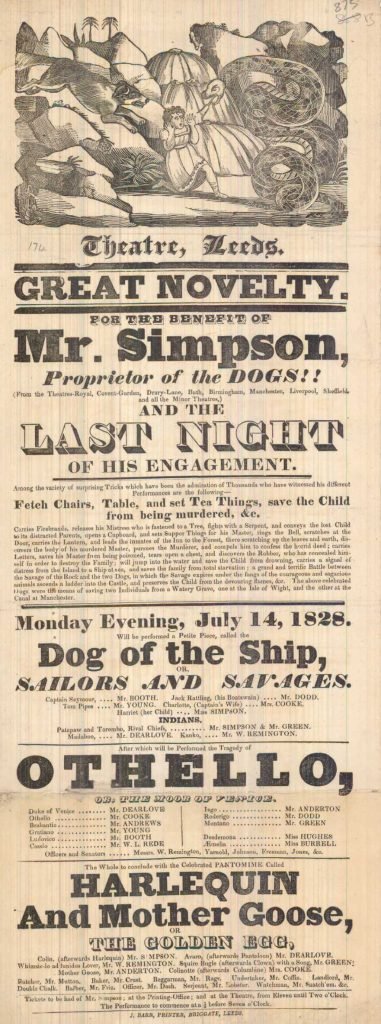
Dickens and Dog-Drama: the Walworth Dog meets the Uncommercial Traveller
Dr. Ann Featherstone explains, “…When [Dickens] describes the dog’s appearance on playbills and having witnessed his performance at a theatre in a Yorkshire town, it is clear that the Traveller is no stranger to dog-drama (‘The Uncommercial Traveller’)…”
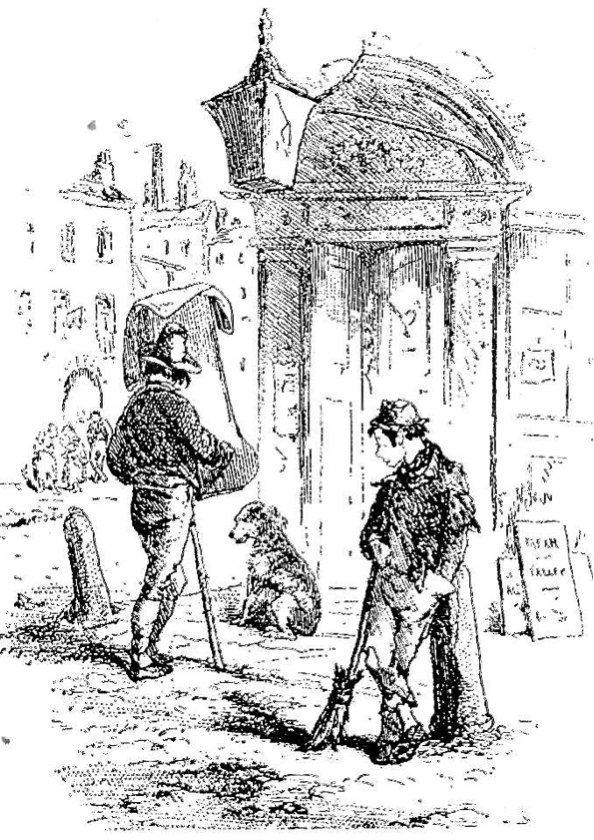
Animal, Vegetable, Mineral: Dickens and the Underdog
Catherine Burgass writes, “The use of animal metaphors for mechanical or human subjects is a common literary trope. The figurative richness of Dickens’ prose means that such metaphors are extended and expanded in his perennial project to highlight the plight of the underdog...”
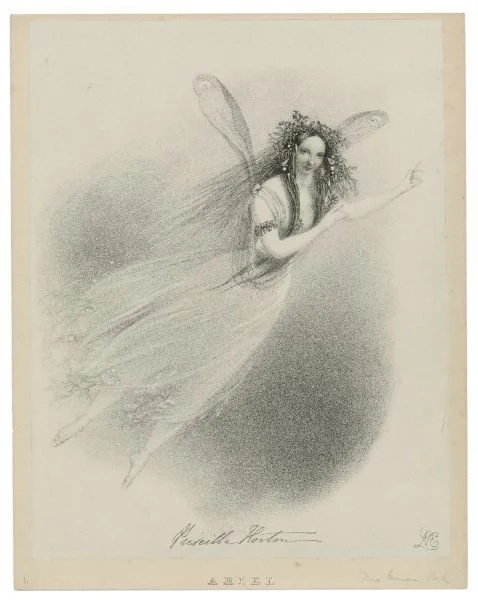
"I and my fellows are ministers of Fate": Dickens and his beloved Ariel, Priscilla Horton
Katie Bell explains, “…While Priscilla Horton may not be remembered by the average modern theatregoer, she was certainly appreciated by those of her time who attended her performances, including Dickens and his circle of friends. Dickens was the “inimitable Boz” and, as is the case with unparalleled people, he would have only upheld the most extraordinary as part of his circle of artists. Priscilla Horton made that cut.”
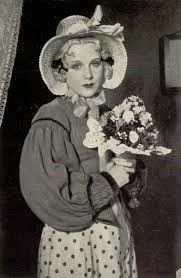
Article in Progress: “Then, I go among the Germans”: Klein Dorrit (1934)
Andrea Schmidt states, “In an era of rising nationalism, a Czech born director brought an adaptation of a nineteenth-century British novel to German screens. This research examines the production and reception of a Czech-German adaptation of Charles Dickens’s Little Dorrit, titled Klein Dorrit (1934)…”
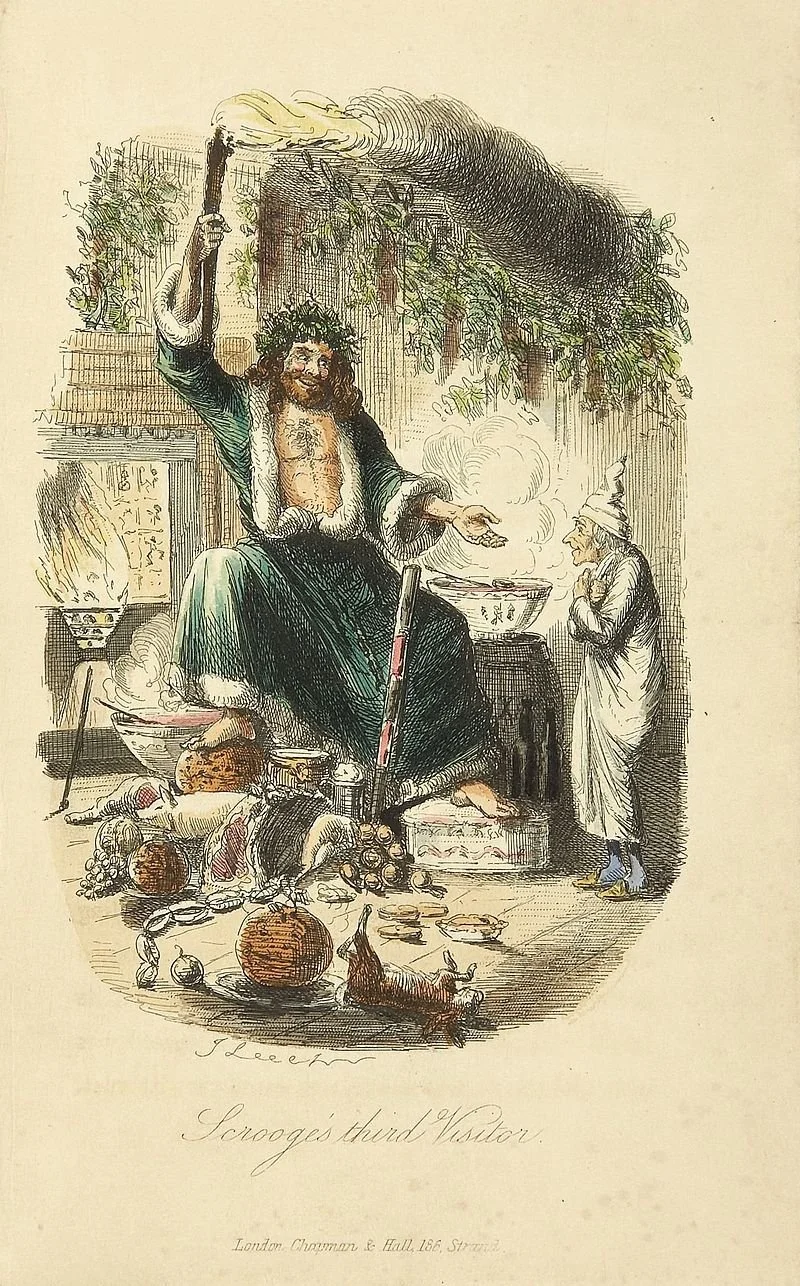
Man and Meat: A Christmas Carol’s Cannibalistic Menace in Historical Perspective
Lydia Craig writes, “First the villain and then the hero of Charles Dickens’s A Christmas Carol (1843), the cold-hearted and wealthy businessman Ebenezer Scrooge initially refuses to empathize with or financially contribute towards the nourishment of London’s poor…”
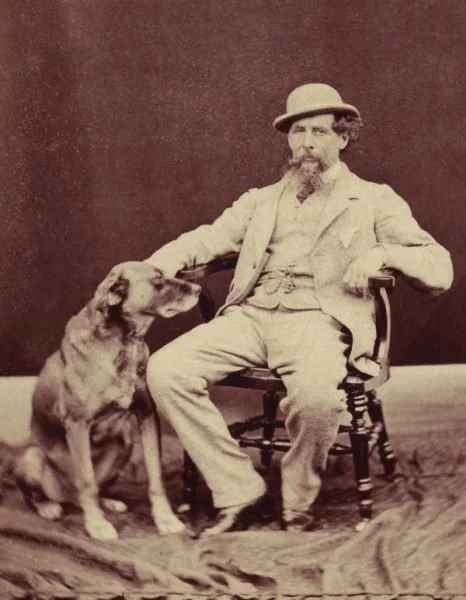
Dickens Society Blog: Call for Posts
The Dickens Society Blog welcomes targeted submissions of 800-1200 words on topics relating to Dickens and Animals.
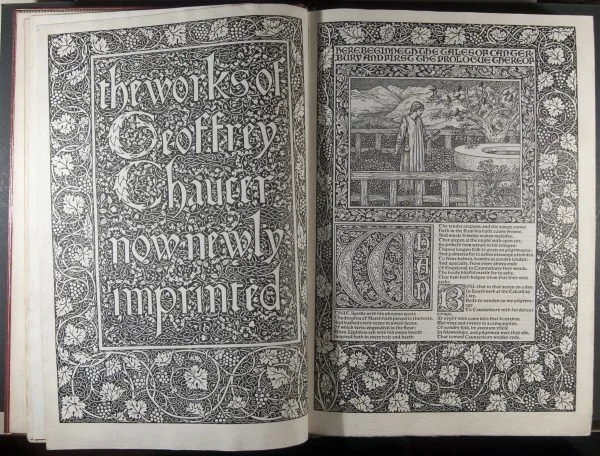
Victorian Passions: The Mark Samuels Lasner Collection
Announcing the […] University of Delaware Library’s exhibition “Victorian Passions: Stories from the Mark Samuels Lasner Collection,” curated by Margaret D. Stetz, on view in the Special Collections Gallery, UD Library, from 14 February-3 June 2017.
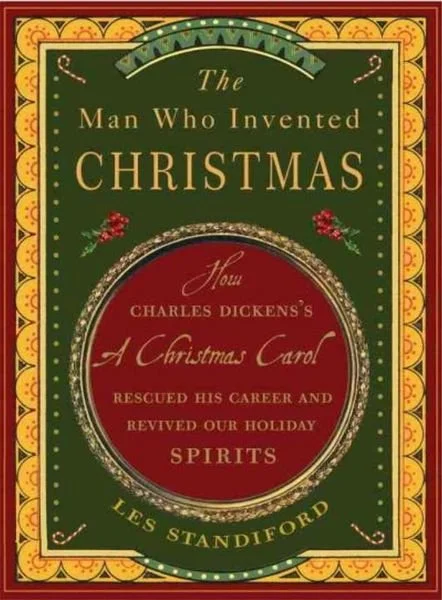
The Man Who Invented Christmas to Become a Feature Film
Gina Dalfonzo writes, “In 2011, historian and author Les Standiford published The Man Who Invented Christmas: How Charles Dickens’ A Christmas Carol Rescued His Career and Revived Our Holiday Spirits. The book was an insightful, very thorough exploration of the many factors that contributed to the writing of Dickens’s Christmas classic, its reception, and its legacy…”
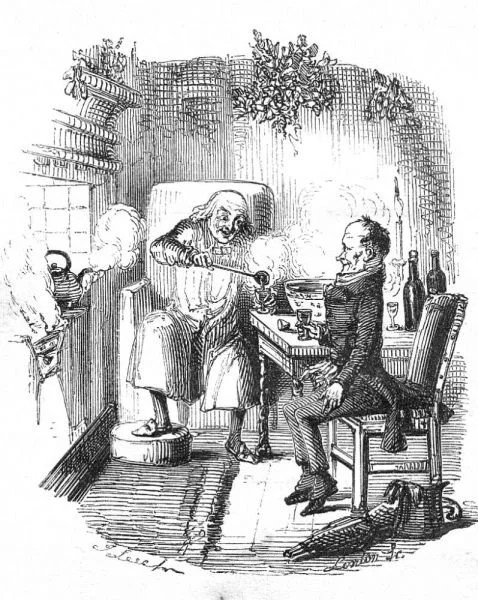
Past, Present, and Future: The Dickensian (Christmas) Spirit
Catherine Quirk writes, “…Though written in 1843 for the society of the Hungry Forties, A Christmas Carol is always and always has been a story for an ever-shifting present. Central to all of these adaptations is some form of the charitable message of the tale, or what has come to be known as the quintessentially Dickensian Christmas spirit…”
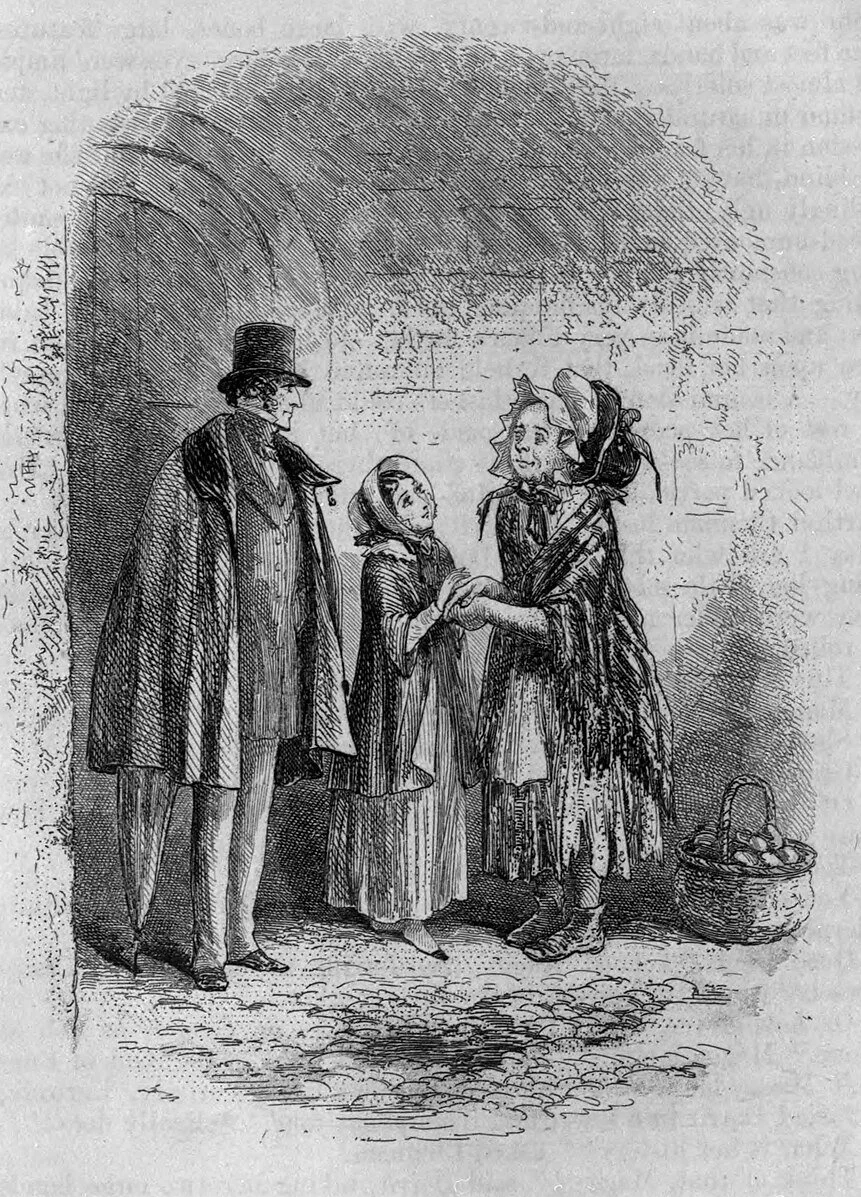
Gift-Giving in the Proper Dickens Spirit
Clara Defilippis writes, “Throughout Little Dorrit, Dickens peppers his narrative with individuals who give and receive favors and gifts…”
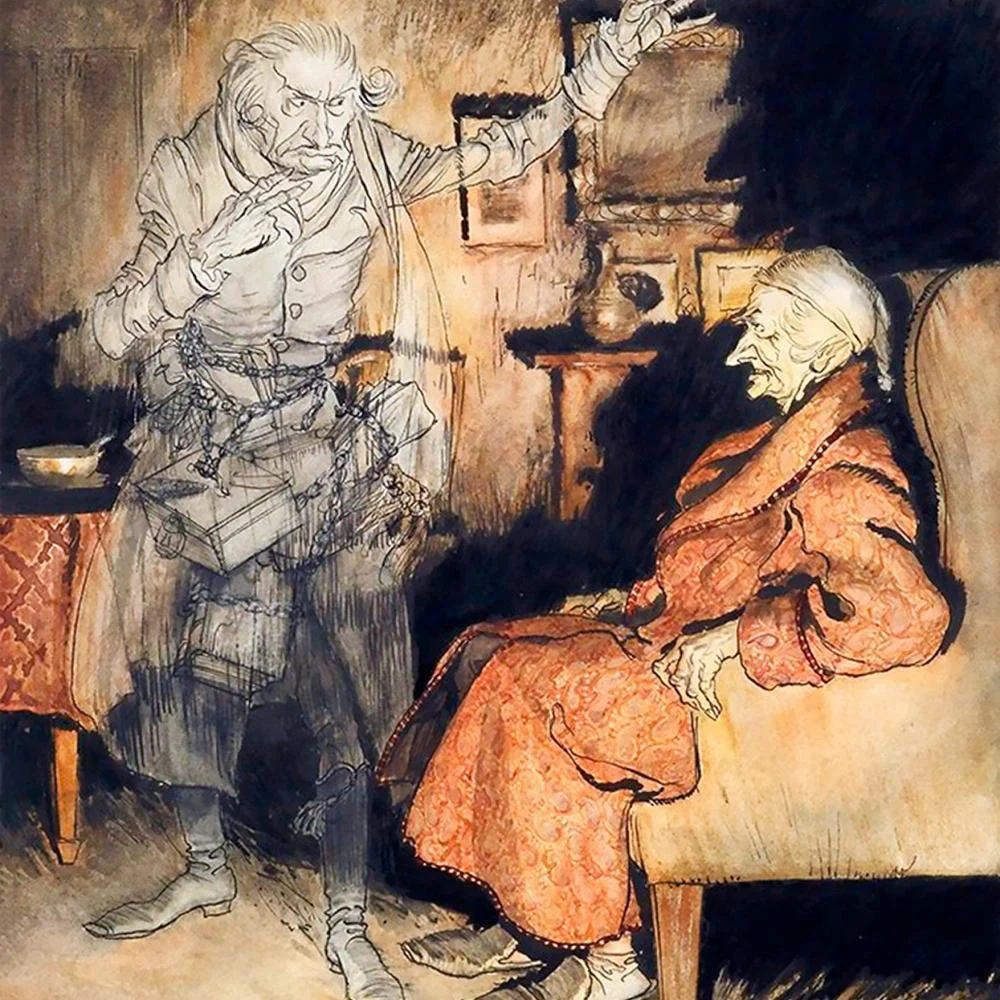
How Dickens Invented Christmas — and Why it Matters
Professor Goldie Morgentaler recently gave a public lecture on A Christmas Carol at the City Hall in Lethbridge. Her talk lays out the history of A Christmas Carol, which was not intended as a feel-good fairy-tale but as an enraged tirade against the evils of capitalism…
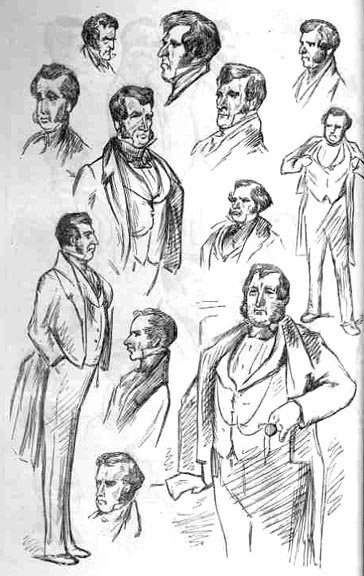
Forthcoming article: 'Names in Dickens: The Trouble with Dombey'
Attendees of the 2016 Dickens Universe, which focused on Dombey and Son, may be particularly interested in this forthcoming article by Stephen B. Dobranski…
Dickensian Afterlives through Adaptation
Maureen England writes, “With a topic like Dickens and Adaptation, the annual Dickens Society symposium was sure to include discussions of the myriad ways in which Dickens, his works, and his characters live outside of Dickens’s control and his own lifespan…”
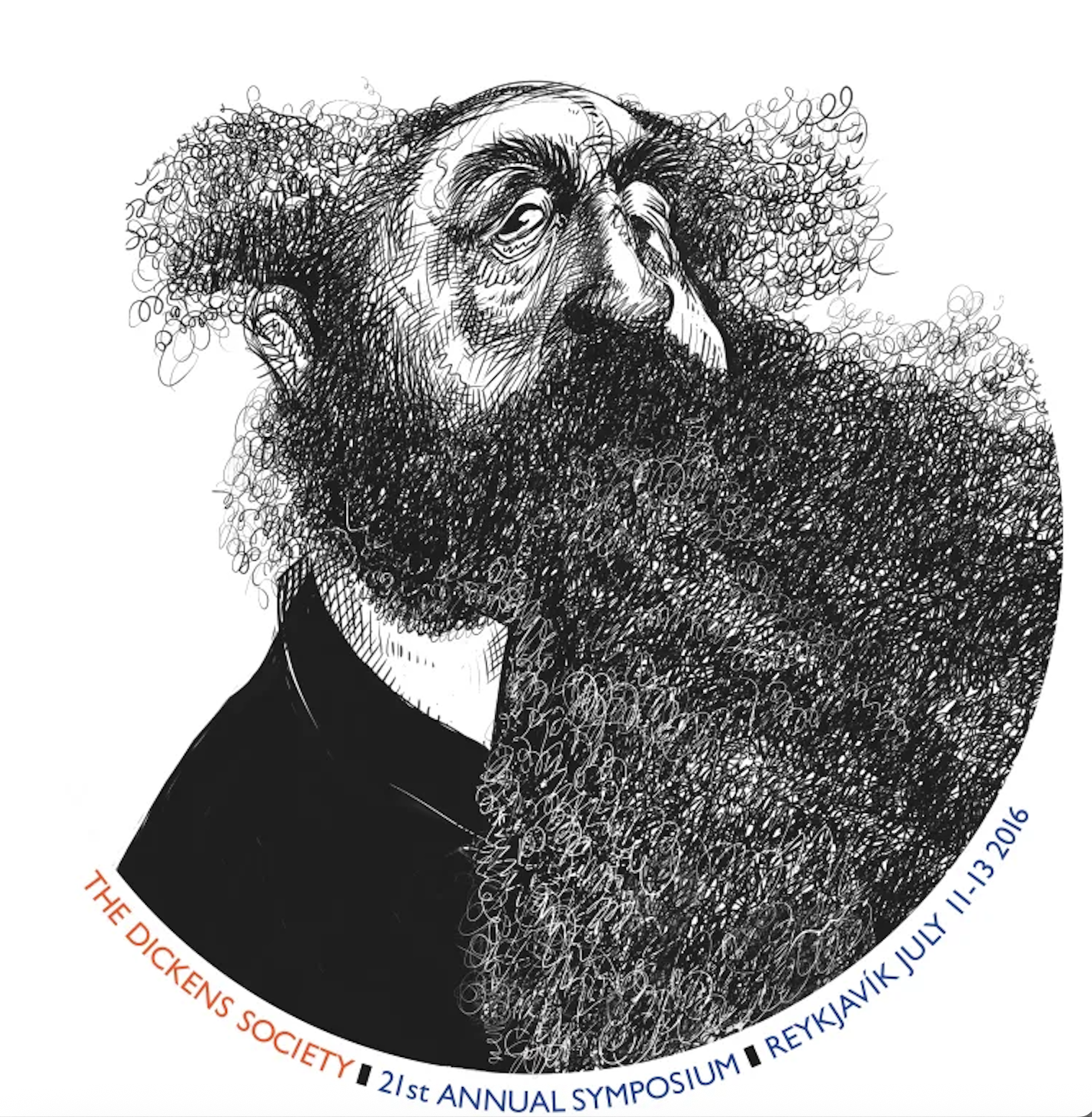
Adapting Dickens, 11-13 July 2016
The following post provides a summary of the 2016 Dickens Society symposium, Adapting Dickens.
Dickens Society Blog: Call for Posts
This month the Dickens Society will be launching the Dickens Society Blog, aimed at disseminating Dickensian research both amongst the Society’s membership and to the larger academic community.