
The Cricket
The Society’s Blog
Edited by Dr. Céleste Callen
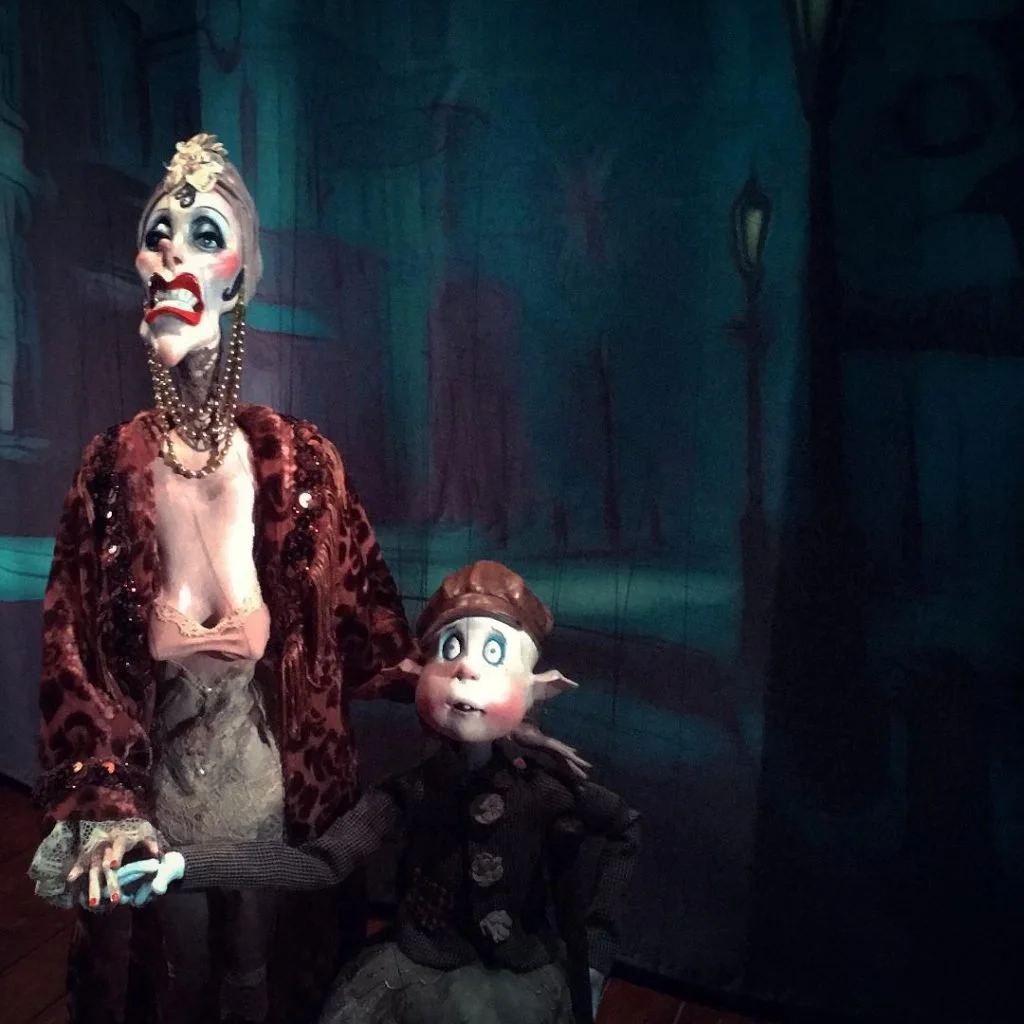
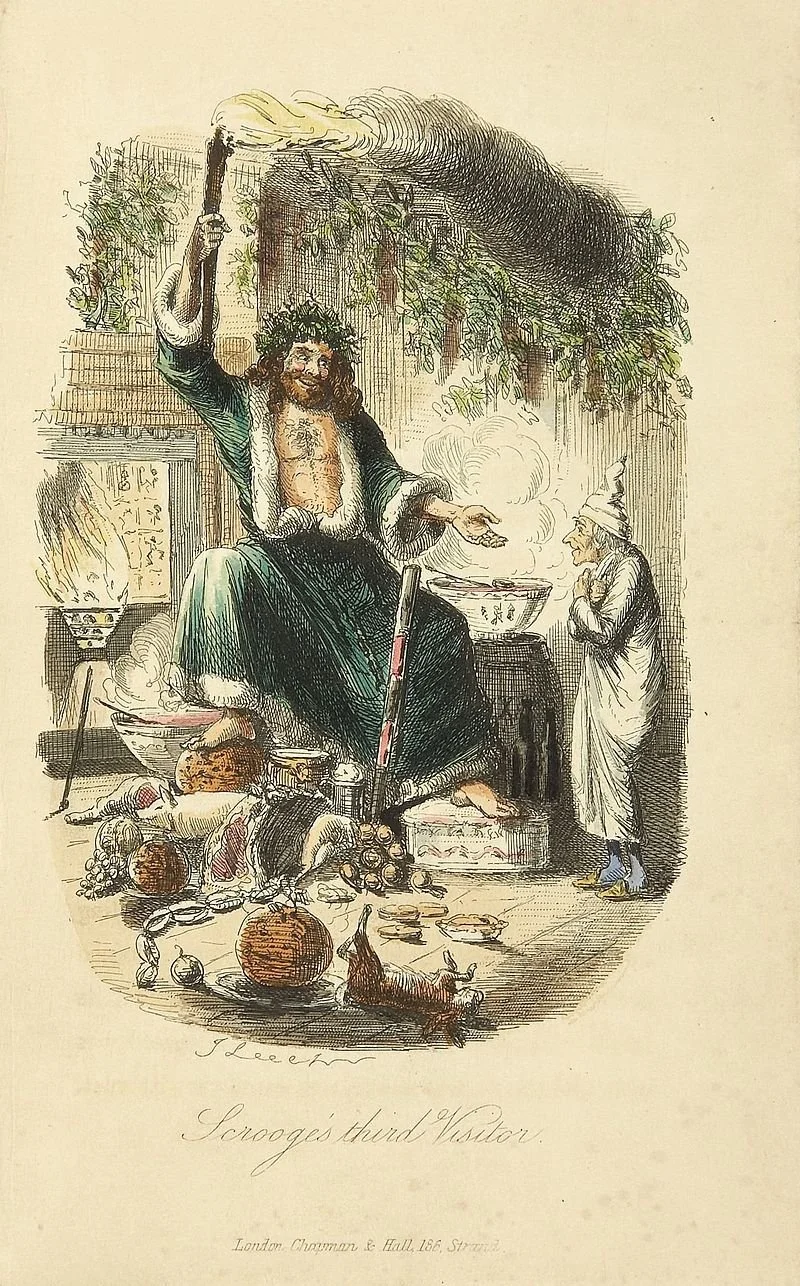
Man and Meat: A Christmas Carol’s Cannibalistic Menace in Historical Perspective
Lydia Craig writes, “First the villain and then the hero of Charles Dickens’s A Christmas Carol (1843), the cold-hearted and wealthy businessman Ebenezer Scrooge initially refuses to empathize with or financially contribute towards the nourishment of London’s poor…”
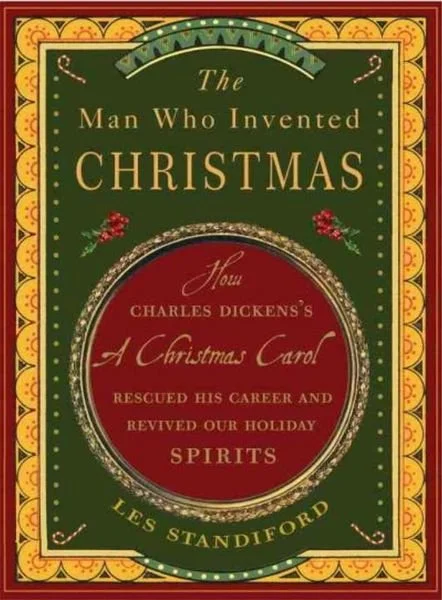
The Man Who Invented Christmas to Become a Feature Film
Gina Dalfonzo writes, “In 2011, historian and author Les Standiford published The Man Who Invented Christmas: How Charles Dickens’ A Christmas Carol Rescued His Career and Revived Our Holiday Spirits. The book was an insightful, very thorough exploration of the many factors that contributed to the writing of Dickens’s Christmas classic, its reception, and its legacy…”
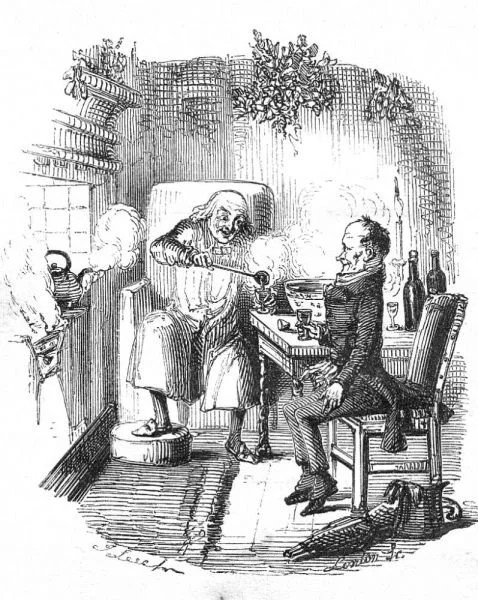
Past, Present, and Future: The Dickensian (Christmas) Spirit
Catherine Quirk writes, “…Though written in 1843 for the society of the Hungry Forties, A Christmas Carol is always and always has been a story for an ever-shifting present. Central to all of these adaptations is some form of the charitable message of the tale, or what has come to be known as the quintessentially Dickensian Christmas spirit…”
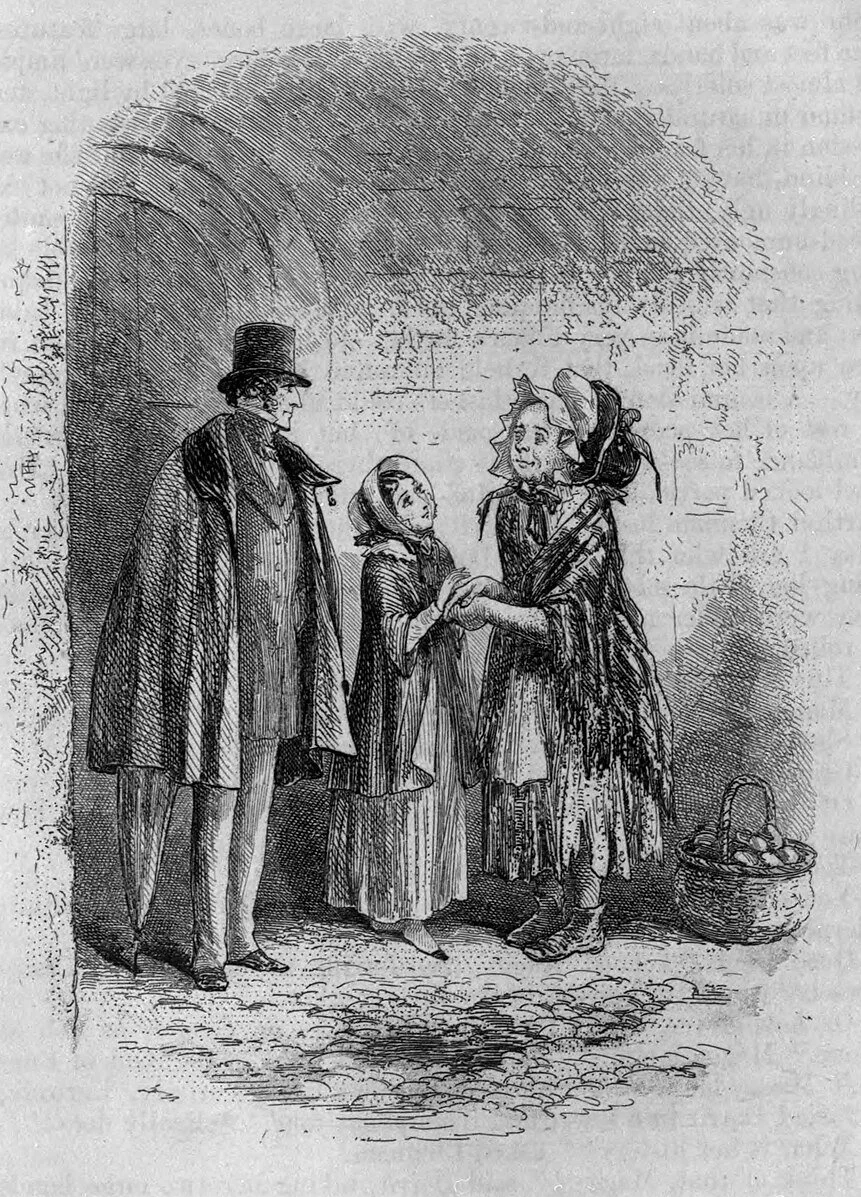
Gift-Giving in the Proper Dickens Spirit
Clara Defilippis writes, “Throughout Little Dorrit, Dickens peppers his narrative with individuals who give and receive favors and gifts…”
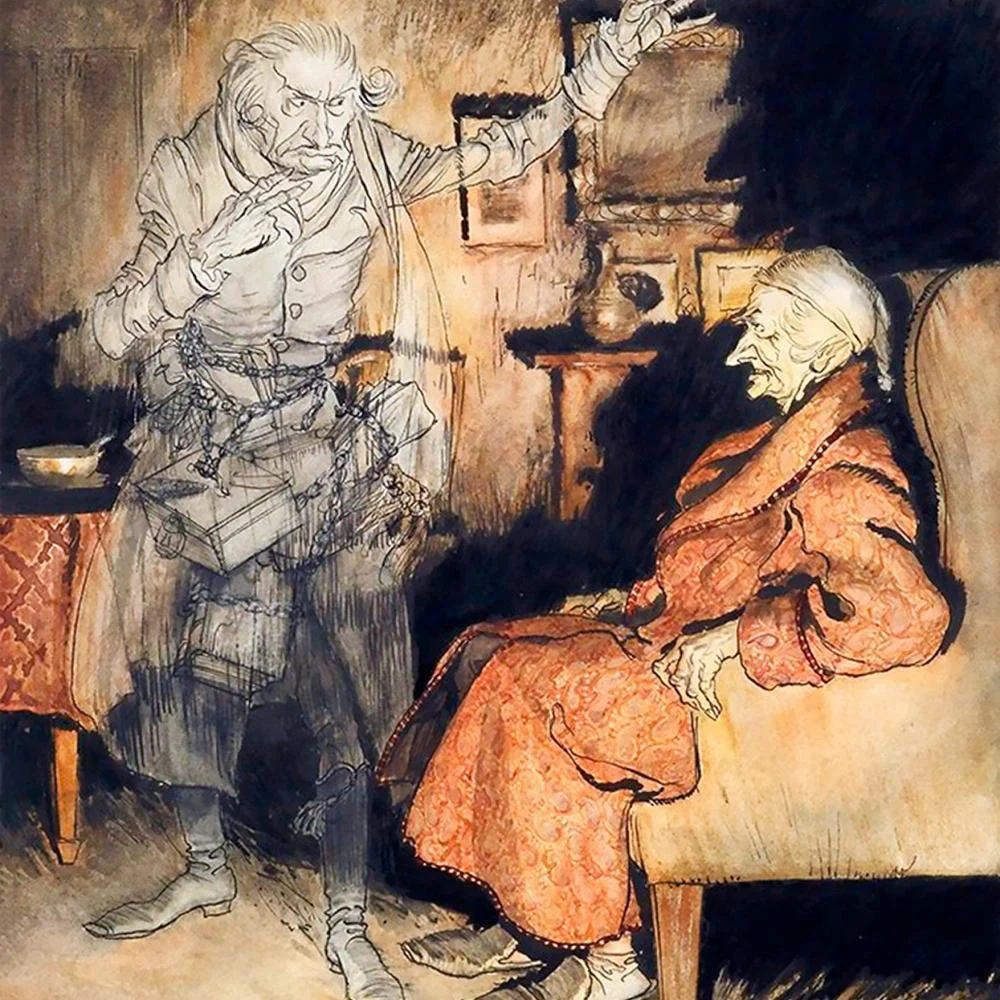
How Dickens Invented Christmas — and Why it Matters
Professor Goldie Morgentaler recently gave a public lecture on A Christmas Carol at the City Hall in Lethbridge. Her talk lays out the history of A Christmas Carol, which was not intended as a feel-good fairy-tale but as an enraged tirade against the evils of capitalism…
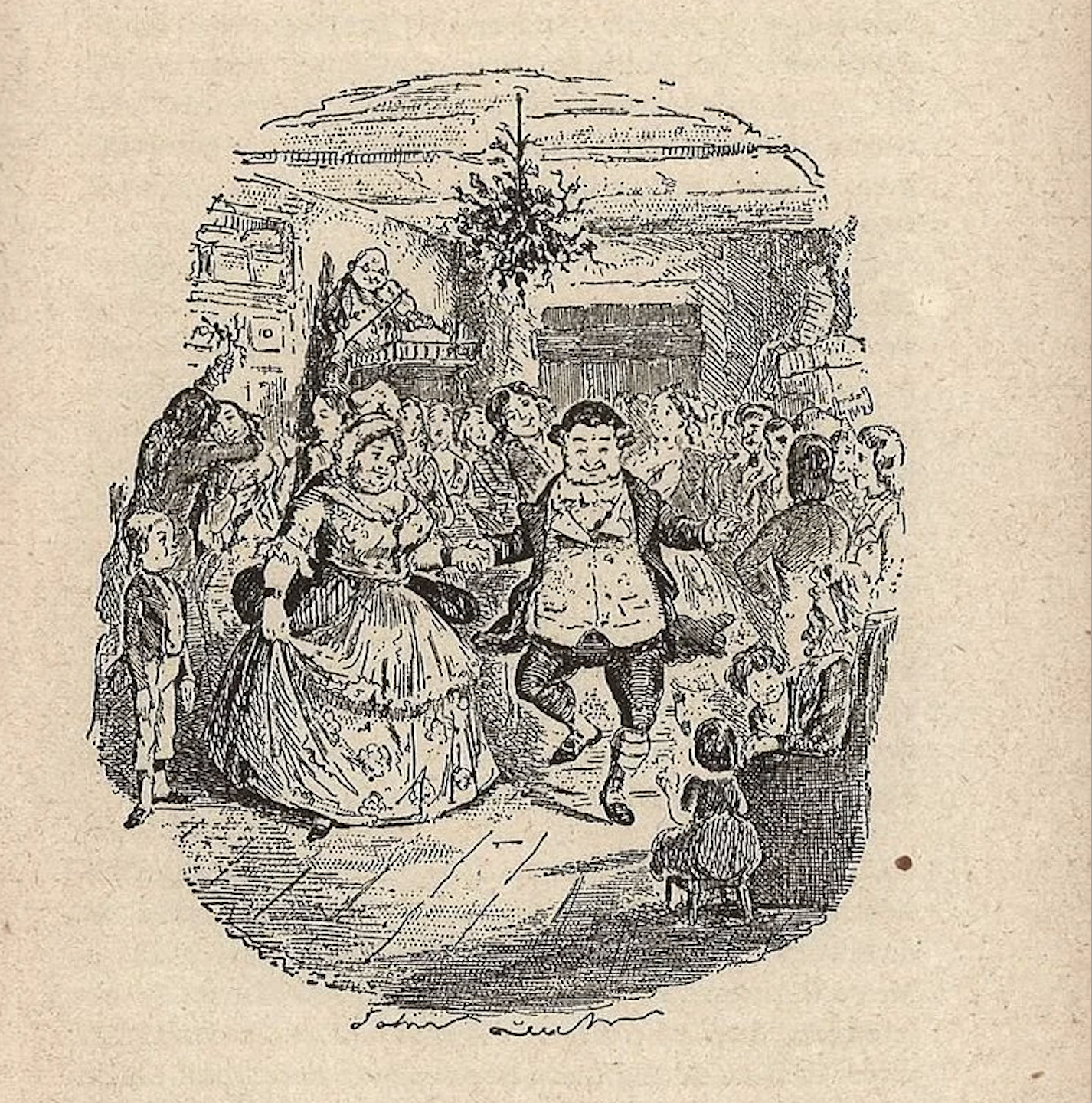
Dickens Society Blog: Call for Posts
This month the Dickens Society will be launching the Dickens Society Blog, aimed at disseminating Dickensian research both amongst the Society’s membership and to the larger academic community.